
PVT Module with AIKO Neostar 2P 54 450-485W Photovoltaic Panel
The PVT module with AIKO Neostar 2P 54 450-485W was designed to improve the overall module efficiency by improving the electrical efficiency of the PV component with a total surface area of 1,992 m² (all dimensions: 1757x1134x30mm). The AIKO Neostar 2P 54 450-485W PVT module also offers improved performance and greater resistance to environmental conditions than most market standards.
The AIKO Neostar 2P 54 450-485W photovoltaic module improves the electrical performance of the PV panel thanks to higher power output and increased efficiency (~23.8% compared to 20.7% for the ML450 PV model) and an improved Pmax power temperature coefficient (-0.26%/°C compared to -0.36%/°C for the ML450). The AIKO module also utilizes state-of-the-art N-type ABC cell technology, providing excellent shade resistance and long-term durability with a premium warranty.
(For designers) To learn more, download the detailed specifications, including electrical and thermal parameters, build quality, and compliance with international standards (link) link
The use of the AIKO Neostar 2P 54 450-485W photovoltaic module improves the electrical parameters of the PVT panel due to higher output power and increased efficiency (~23.8% compared to 20.7% for the PV ML450 model) and a better temperature coefficient of power Pmax (-0.26%/°C compared to -0.36%/°C in ML450). The AIKO module also uses state-of-the-art ABC N-type cell technology, providing excellent shading resistance and long-term durability with a premium guarantee.
The key performance parameters of the PVT module with the AIKO Neostar 2P 54 photovoltaic panel are summarized below:
Output power (PV): 475 Wp, which corresponds to the maximum electrical power under standard test conditions (STC).
Electrical parameters at STC include an open circuit voltage (Voc) of approximately 41.24 V, a short circuit current (Isc) of 14.35 A, and a maximum power point voltage (Vmp) of approximately 34.80 V
Module efficiency: Up to 23.8%, reflecting advanced N-type ABC (All Back Contact) cell technology that minimizes shading losses and improves light absorption.
Temperature coefficients: Approximately -0.26%/°C for power, indicating relatively low efficiency degradation with temperature, better than typical polycrystalline or traditional monocrystalline modules.
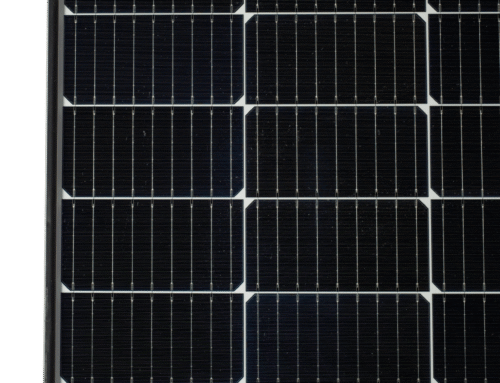
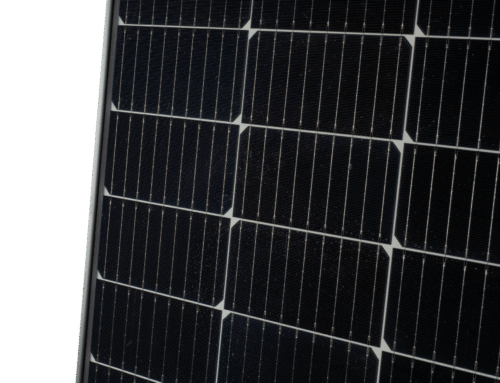
Cells and construction: 108 N-type ABC monocrystalline cells, all-black, aesthetically pleasing enclosure, 3.2 mm thick tempered glass, black anodized aluminum frame, IP68 junction box with 3 bypass diodes for improved shading resistance and reliability.
Mechanical parameters of the PV module: Surface area: 1,992m2 Dimensions 1757x1134x30mm, weight about 20.6 kg.
Total efficiency: for PVT systems, this is the sum of electrical and thermal efficiency and typically ranges from 65% to 76%. Considering the electrical and thermal power values given above, the PVT model with the AIKO Neostar 2P 54 450-485W photovoltaic panel exceeds commercially available PVT modules in this respect, achieving 80 to 90% efficiency.
Temperature coefficient* for the AIKO Neostar 2P 54 450-485W module: a very favorable electrical power degradation coefficient of 0.26%/°C was achieved, compared to a typical level of approximately 0.36%/°C.
*The Pmax temperature coefficient determines the percentage decrease in the maximum power of a photovoltaic panel (Pmax) for a 1-degree Celsius increase in cell temperature above the reference temperature of 25°C.
Output Power (PV) – 475Wp: This is the maximum output power that photovoltaic cells can produce under standard test conditions (STC). This parameter determines the power of the photovoltaic component.
Heat Output 1218 Wt: The module’s thermal component can produce up to 1218 watts of thermal energy.
Copper-Aluminum Harp Heat Exchanger: The thermal absorber utilizes copper tubes, which conduct heat perfectly, improving the module’s thermal efficiency. Omega technology combines the absorber harp with aluminum strips that capture solar heat.
Electrical parameters under standard test conditions (STC): including maximum power (475 Wp), open-circuit voltage (Voc) of 41.24 V, and short-circuit current (14.35 A Isc). These parameters characterize the electrical performance under standardized conditions of insolation and temperature.
Dimensions and Weight: The module measures 1757 x 1134 x 30 mm, has an area of 1.992 m², and weighs approximately 33 kg, which determines its physical dimensions and mass.
Heat exchanger specifications: 18 mm and 6 mm copper pipe diameters, 20 mm mineral wool insulation, and 1.35 liters of propylene glycol as the heating medium. These parameters describe the thermal fluid circulation system integrated into the module.
Connections and wiring: Single-row connection, IP67 protection, three bypass diodes, and a 4 mm², 0.3 m cable with MC4 or compatible connectors. This indicates the high quality of the electrical connections.
Pv cells and glass: 144 monocrystalline silicon cells cut in half, connected in series with 3.2 mm thick tempered glass, ensuring durability and efficiency.
Standards: The module complies with numerous international standards (EN 12975-1+A1, IEC 61215, IEC 62804, etc.), confirming its proven quality and reliability.
Warranties: 15-year product warranty, 30-year performance guarantee with low degradation (≤1% in the first year, ≤0.35% annually thereafter).
Cables and connectors: 4 mm² cables with original MC4 connectors, suitable for standard residential and commercial system integration.
The thermal design remains unchanged, with copper heat exchanger tubes, anodized aluminum absorber, mineral wool insulation, propylene glycol as the heat transfer fluid, and a maximum heating capacity of approximately 1,218 tons.
The above tests constitute an important part of the innovative PVT technology process by successfully verifying our scientific and technical assumptions, confirming that the objectives for increasing the efficiency of PVT collectors through innovative OMEGA technology as well as the objectives for the production capacity of advanced PVT panel models have been achieved. Among the most important R&D achievements from the point of view of obtaining the best possible performance of PVT modules and other goals are:
AIKO leads the photovoltaic market thanks to a key innovation – ABC (All Back Contact) technology
AIKO is considered a leader in the photovoltaic market, as confirmed by its top position in the rankings of the most efficient PV modules in early 2025. AIKO achieves this position primarily thanks to ABC (All Back Contact) technology, i.e., monocrystalline cells with back passivation that eliminate front conductive paths (bus bars). This increases the active light-absorbing surface area, which translates into significantly higher module efficiency—up to 23.8% in the AIKO Neostar 2P 54 450-485W PV module and up to 24.2-24.4% in the flagship AIKO-G655-MCH72M module from the Comet 2U series. AIKO modules are also characterized by high rated power (up to over 700 W in newer products), a low power temperature coefficient (-0.26%/°C), a long product warranty (15 years), and guaranteed high efficiency (min. 88.85% after 30 years).
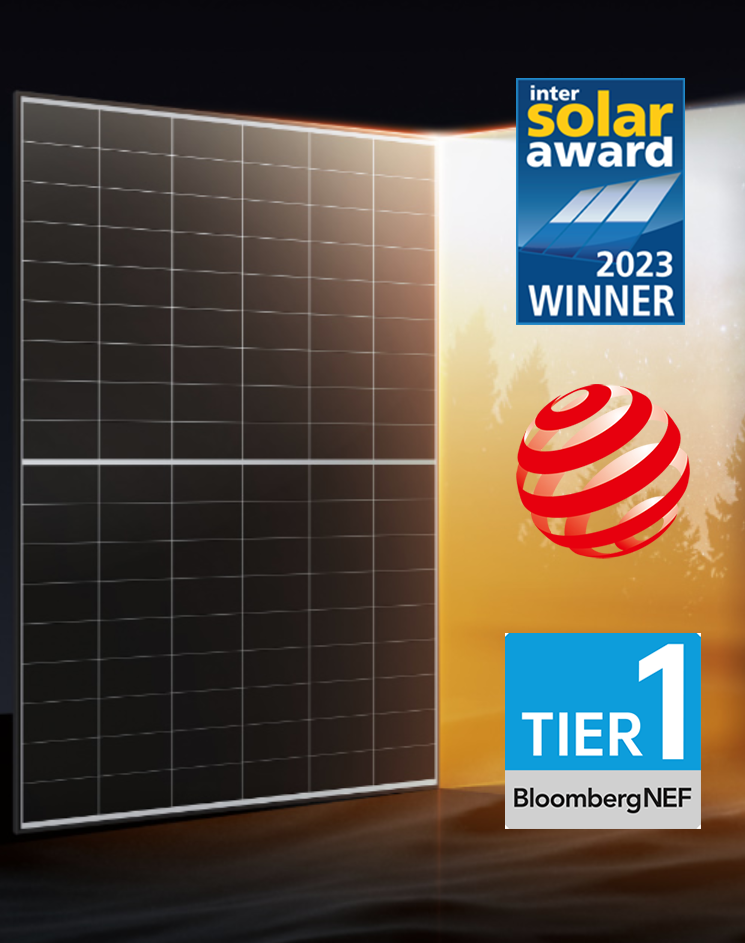
In addition, AIKO has achieved the prestigious Tier 1 status according to BloombergNEF, demonstrating the company’s financial stability, quality, and reliability as a global solar module manufacturer. Innovative cell technologies, high efficiency, longevity, recognized certifications, and a strong market position, combined with in-house cell production, are the features that allow AIKO to maintain its competitive advantage and leadership status in the PV market.
AIKO’s extensive portfolio of patents and patent applications
AIKO has achieved numerous global technological launches, which translates into the company’s strong technological and market position. This position is underpinned by an extensive patent portfolio, encompassing technologies such as ABC (All Back Contact) solar cells, a two-stage cell production process, as well as large monocrystalline batteries and 210mm PERC cells. The portfolio includes over 1,000 approved patents (including 188 inventive patents) and 1,770 patents filed worldwide by 2023.