Operating principles:
Active mode – heat pump supported by PVT
Technology Partner
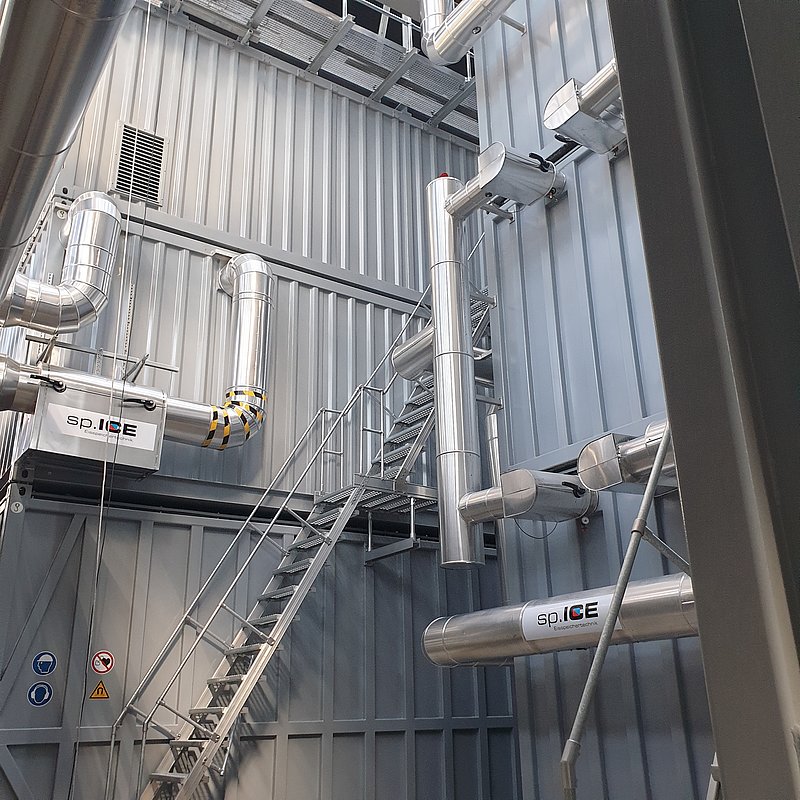
sp.ICE
Our technology partner in the field of Ice Energy Storage is sp.ICE, a company specialising in systems based on ice storage technology.
The cooperation includes the development, integration, and implementation of ice storage modules within PVT–HP–ICE solutions.
Implementation effects
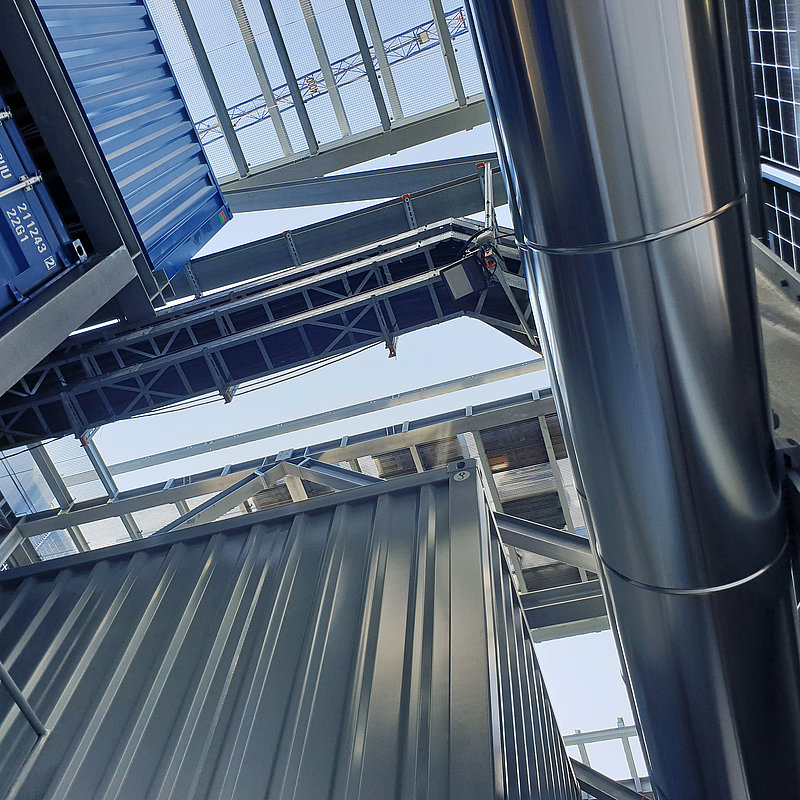
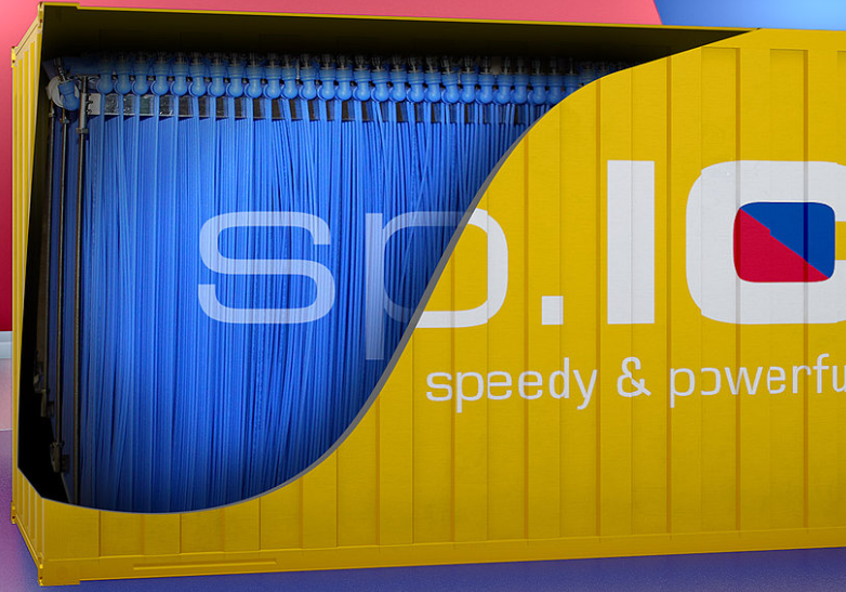
Ice Energy Storage (ICE)
ICE uses the phenomenon of latent heat during a phase change.
The energy required to transform water into ice at 0°C is approximately 80 times greater than the energy stored in water as sensible heat.
Compared with water storage:
- 5–7 times higher energy density,
- stable operating temperature of 0–6°C,
- compact system design,
- the possibility of short-term and medium-term load shifting.
Ice energy storage can take place during periods of surplus energy from PVT or when electricity prices are low.The system does not require boreholes and is not dependent on geological conditions.
Passive cooling – ICE discharge
The result is very low electricity consumption and reduced operation of energy-intensive cooling units during peak demand.
During discharge:
HVAC support and system flexibility
Ice Energy Storage (ICE) acts as a dynamic HVAC power buffer, quickly absorbing peak loads and stabilising the operation of the entire installation.
- Ice Energy Storage enables rapid release of thermal or cooling power in under 6 hours, allowing the system to absorb peak loads and sudden increases in demand without the need to immediately start additional cooling units.
- ICE acts as a dynamic power buffer for the entire HVAC installation – relieving compressors, stabilising system operation, and potentially serving as emergency cooling in industrial applications.
- At the same time, energy from PVT can be accumulated in the form of ice during periods of surplus production or low tariffs, and then used when demand is higher or energy prices are higher. In this way, the variable PV profile becomes a controllable profile, and the facility can actively respond to grid price and load signals.
”
Rapid power releaseHVAC buffer
Stable system operationIt relieves compressors, stabilises the installation, and supports emergency cooling.
Manageable PV system
Energy storage and tariff optimisationSurplus energy from PVT is stored and used when energy is more expensive or more needed.